WangWH0101
Weihan Wang
E-mail: wangwh0101@gmail.com
Research Interests
Machine Learning, Data Modeling, Computer Vision, Big Data, Natural Language Processing, Self-Driving
Education Background
2015.09~2017.08 Undergraduate: Theoretical Physics, College of Physics, Sichuan University (985 Project, China).
2017.08~2017.09 Summer Session: Physics 7D, School of Physics Sciences, University of California Irvine (USA).
2017.09~2019.06 Undergraduate: Theoretical Physics, College of Physics, Sichuan University (985 Project, China).
2019.09~2022.06 MCs in Computer Science(exam-exempted): Network Science and Big Data, College of Computer and Information Science, Southwest University(211 Project, China).
Publications
Patent
- W. Wang, Y. Wu & P. He, A hand-held weeder for tobacco fields in hilly and mountainous areas, 20210915, 202122237182.2
Journal
- Tan X, Gao L, Wang W, et al. Modelling alteration of leaf coloration peak date in Cotinus coggygria in a high-elevation karst region[J]. Agricultural and Forest Meteorology, 2022, 323: 109044. (JIF: 6.424) https://www.sciencedirect.com/science/article/abs/pii/S0168192322002337
- Tan X, Wang W, Gao L, et al. The difference in leaf color quality of Cotinus coggygria during the coloration peak period affected by soil and topographic heterogeneity[J]. Catena, 2023, 228: 107140.(JIF: 6.3)
- Gao L, Wang W, Liao X, et al. Soil nutrients, enzyme activities, and bacterial communities in varied plant communities in karst rocky desertification regions in Wushan County, Southwest China[J]. Frontiers in Microbiology, 2023, 14: 1180562.(JIF: 5.2)
- 王维翰.基于实证数据的机构与国家论文引用量分析与建模研究[D].西南大学,2022.DOI:10.27684/d.cnki.gxndx.2022.000501.
Honors and Awards
- Third Prize in “Huawei Cup” The 17th China Post-Graduate Mathematical Contest in Modeling. Award certificate
Language Ability
- Chinese
- TOEFL (Score:106 Time:2021/05/26)
- Japanese (A little bit)
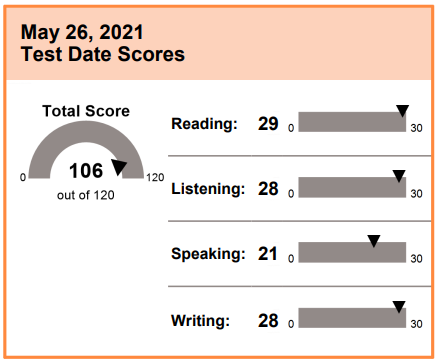
Please check the official document below.
TOEFL Grades.
Grades
Undergraduate
- Major: Theoritical Physics
- GPA: 3.53 (Compulsory Courses), 3.54 (All Courses)
- Scores: 86.32/100 (Compulsory Courses), 86.46/100 (All Courses)
Please check the official document below.
Undergraduate Grades.
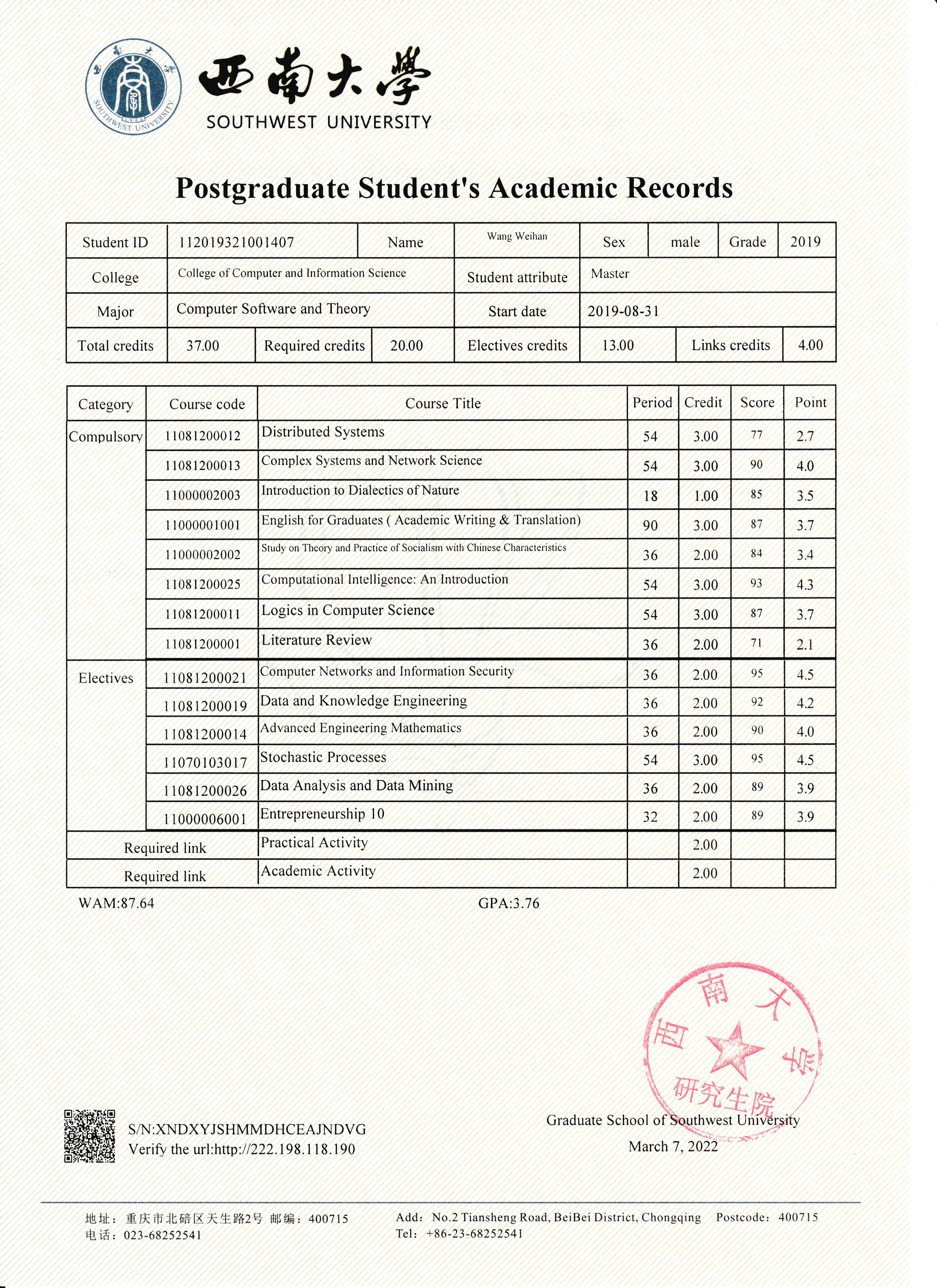
Master
- Major: Network Science and Big Data
- GPA: 3.74 (All Courses)
- Scores: 87.64/100 (All Courses)
Please check the official document below.
Master Grades.
Programming Language
- Python
- Java
- C++/C
- Matlab
Work Experience

- Time: 2023/04 - .
- Job Title: Engineer
- Main job responsibilities:
| Job Responsibilities |
|---|
| i. Software and hardware architecture design for autonomous vehicles |
| ii. Equipment system and application scenario design |
| iii. Design and development of unmanned task models and algorithms |
Research Experience
Undergraduate
- Electrospinning:
- Keywords:
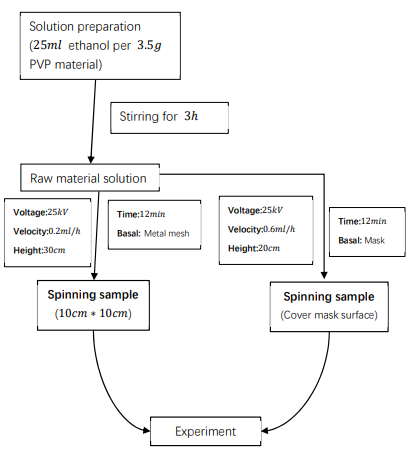
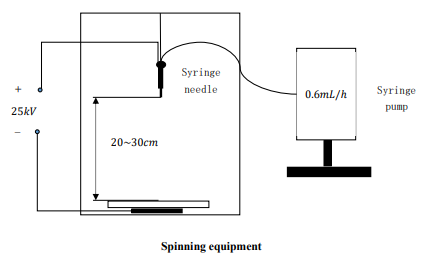
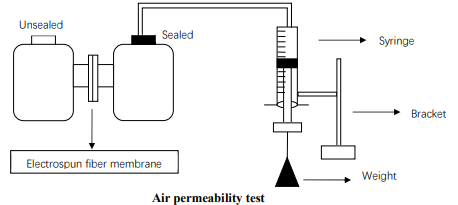
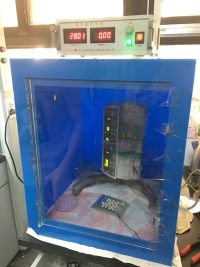
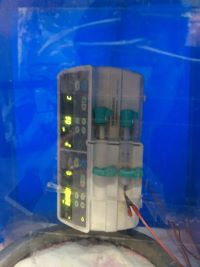
Polyvinyl pyrrolidone(PVP), Fabric, Electrospinning, Filterability, Air permeability - As the team leader, I have designed the experiment and research targets. With the help of all members, we’ve carried out research about the influence of PVP-based electrospinning fabric on the filtration performance of mask. The liquid polymer material forms filaments under high voltage electricity and attaches to the experimental object (i.e., mask). The filterability and air permeability of mask with filaments attached are tested. In addition, this new method of attaching extra fabric on filters (e.g., mask) may improve their filterability and durability. This study can be very valuable under the effects of Covid-19.
(still under research by other students in Sichuan University).

- Keywords:
- Network State Propagation:
- Keywords:
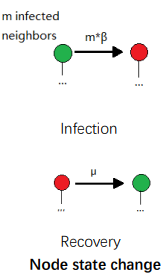
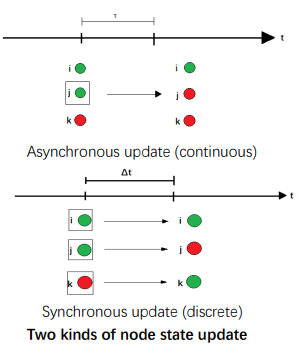
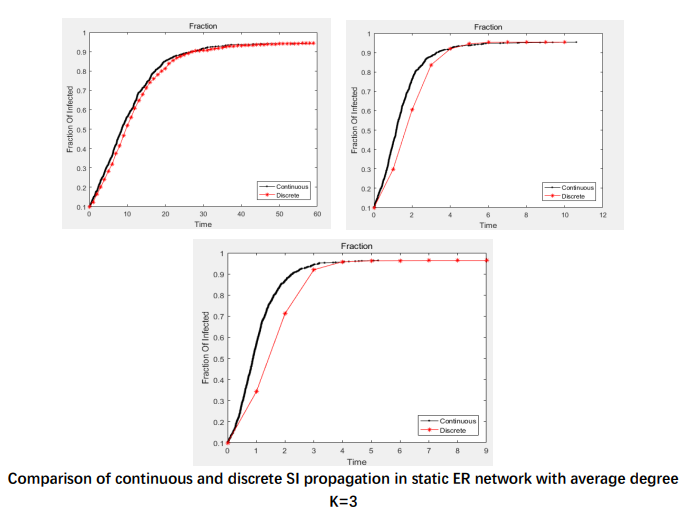
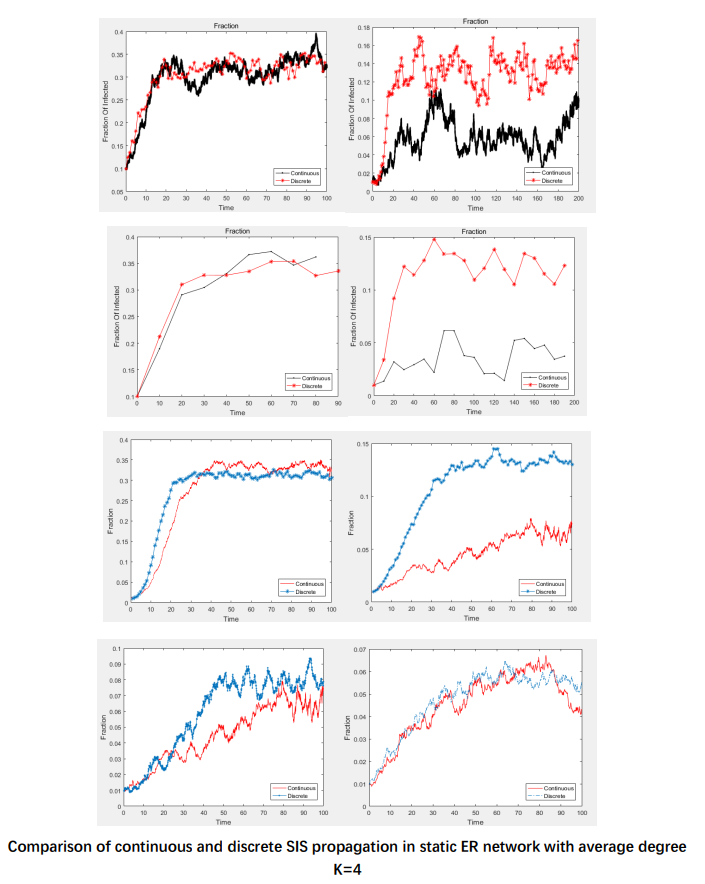
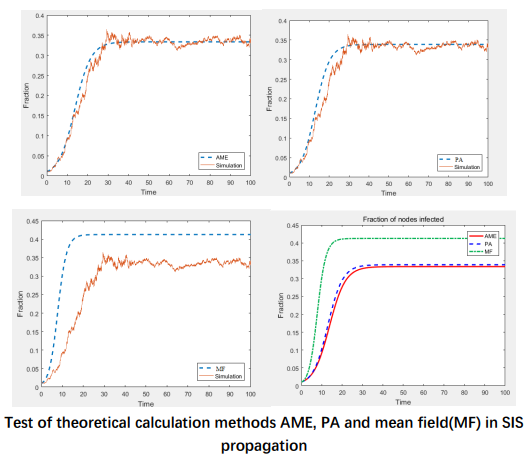
Complex networks, Stochastic binary-state networks, Network construction, Propagation dynamics - The existence of various kinds of networks brings a large number of topological structures composed of different nodes and corresponding states. The research on network science has been showing increasing importance in many domains, such as epidemic prediction, rumor spreading and recommendation system. I’ve studied the SI and SIS propagation of node states under randomly generated undirected networks of poisson and regular distribution. The fractions of infected nodes under continuous and discrete propagations are compared. Besides, the theoretical calculation methods including AME, PA and mean field(MF)1 are introduced and tested. This study is basiclly done through Matlab.

- Keywords:
Master
- International Citation Ratio (ICR) and Citation Preference:
- Keywords:
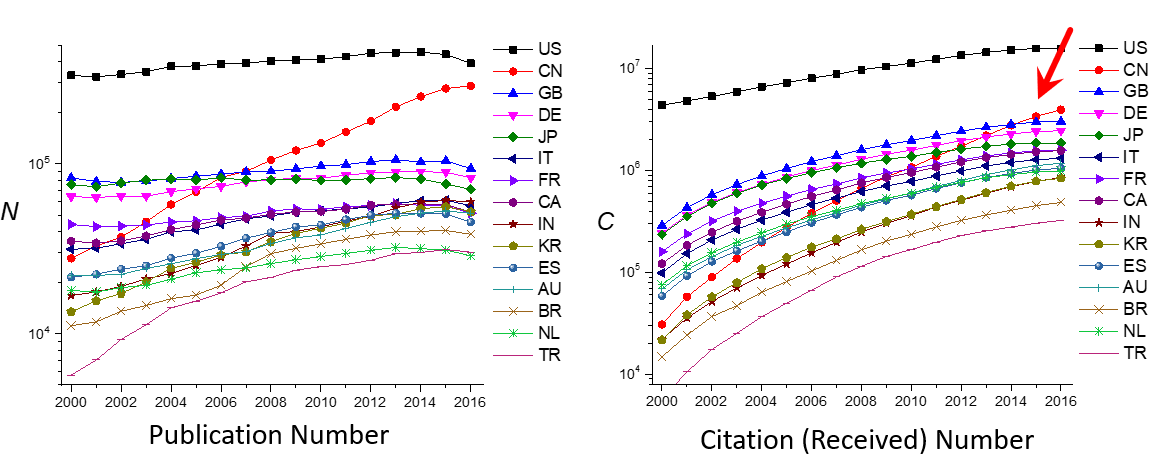
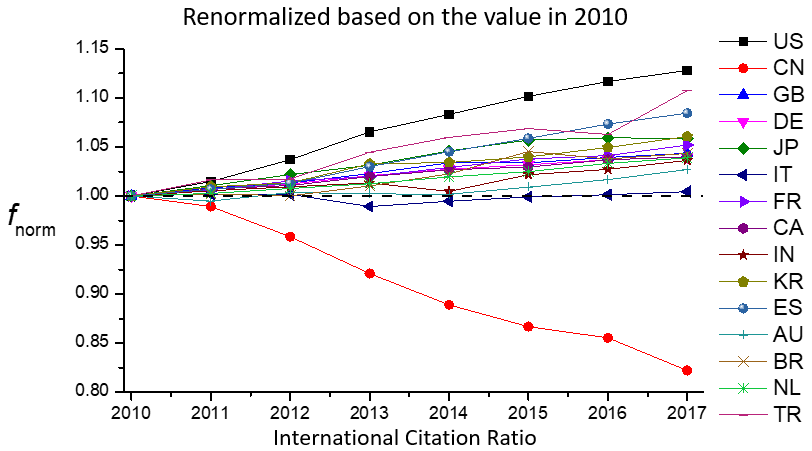
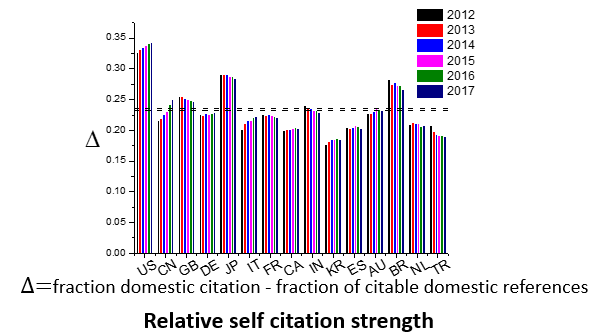
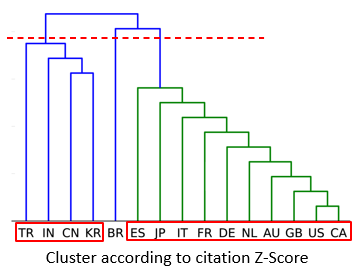
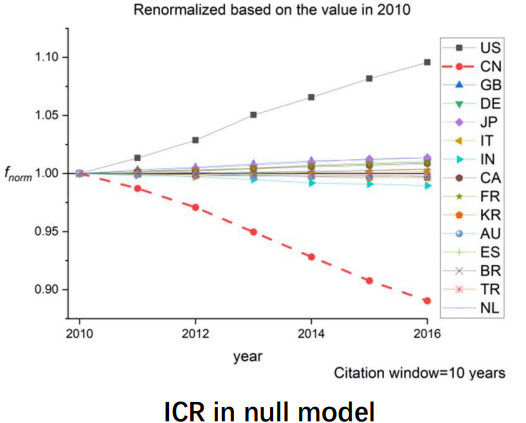
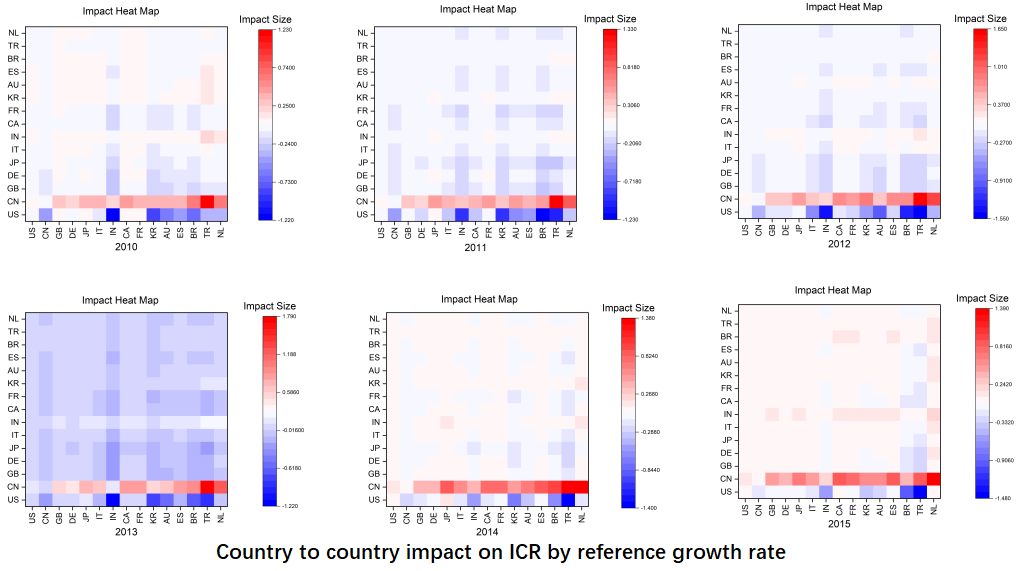
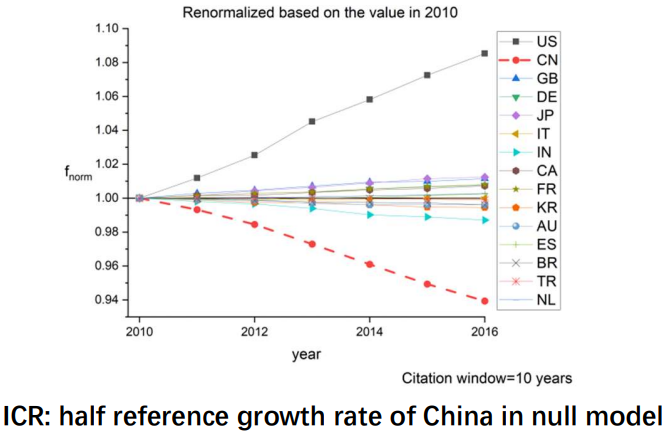
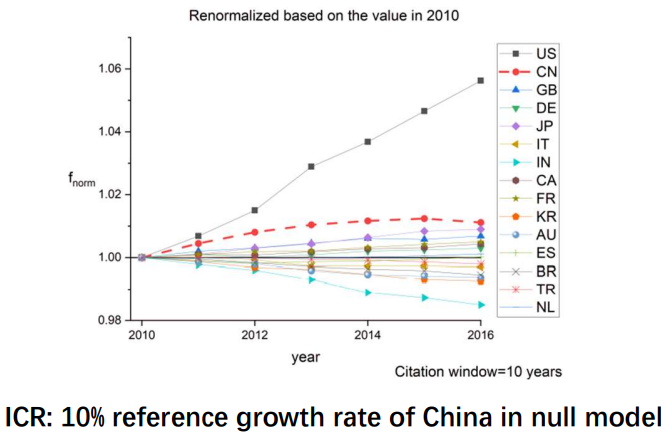
Big data, Data processing, Evolution model, Citation network - Based on the data of Web of Science (WoS), Python has been used to process the original XML data. I have used the null model of random citation to further explored the key reason for the abnormal phenomenon that the proportion of foreign citations in total citations received by China has been dramatically decreasing compared to other main countries with large scientific output. By analogy with concentration problems, I have found the critical factor that is the number of papers a country cites compared to others in a year and successfully verified it with the real data. In short, it can be simply attributed to that the more you publish, the more likely you would suffer the pressure of ICR decline from others. Besides, the Z score (standard score) of citation has been calculated at country level to show the international citation preference of main countries. Meanwhile, the country-to-country Z Score has shown an obvious clustering phenomenon, demonstrating the collaboration strength in the corresponding citation network. In this research, I’ve cleaned and arranged the enormous original WoS data from 1970 to 2018, while generated a large number of structured data files for analysis and future work. This work is based on Google server with Python as main programming language.
(undergoing groupwork, first contributor, plan to submit in Nature Communications)
- Phenomenon

- Z-Score and cluster:

- Experiment and verification

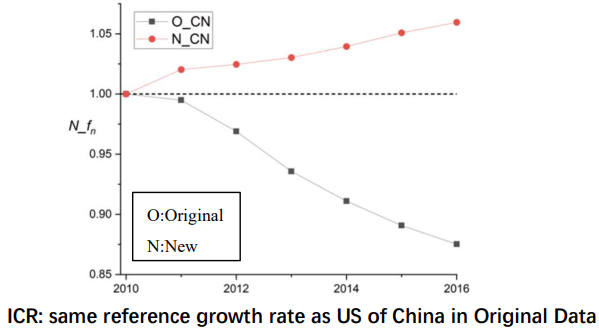
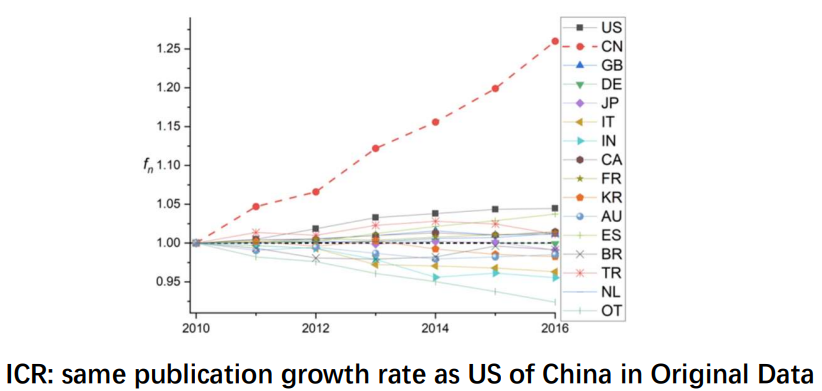
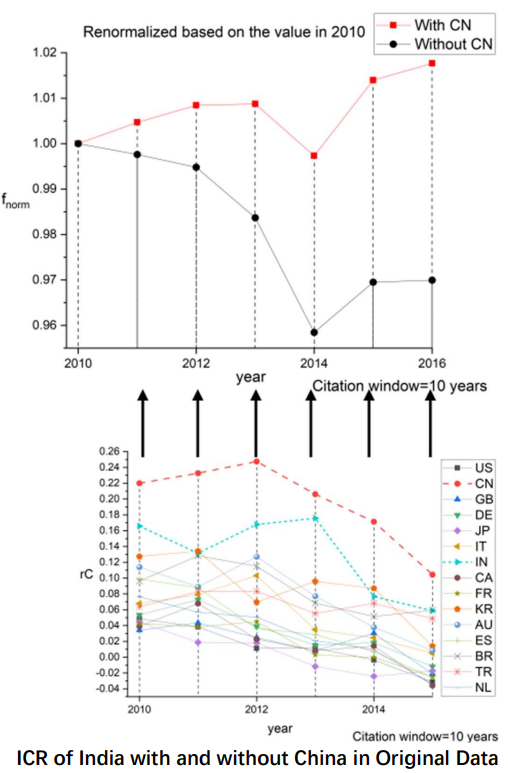
- Phenomenon
- Keywords:
- Influence of Counting Methods on Institution Level Ranking:
- Keywords:
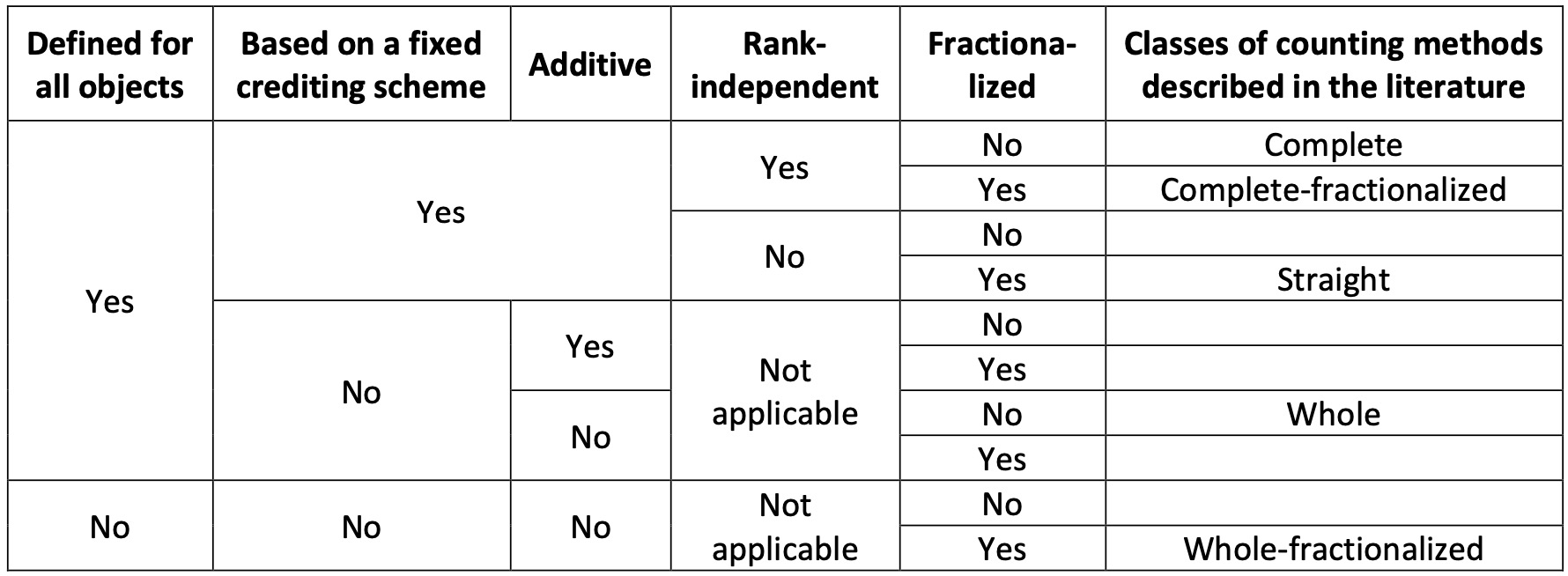
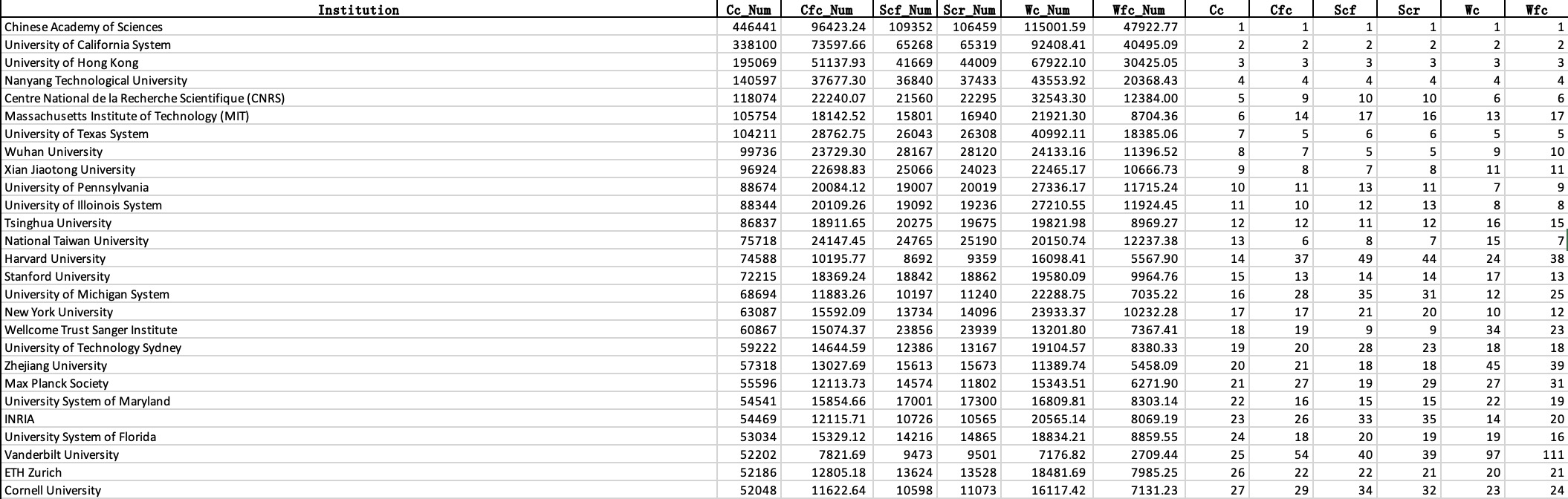
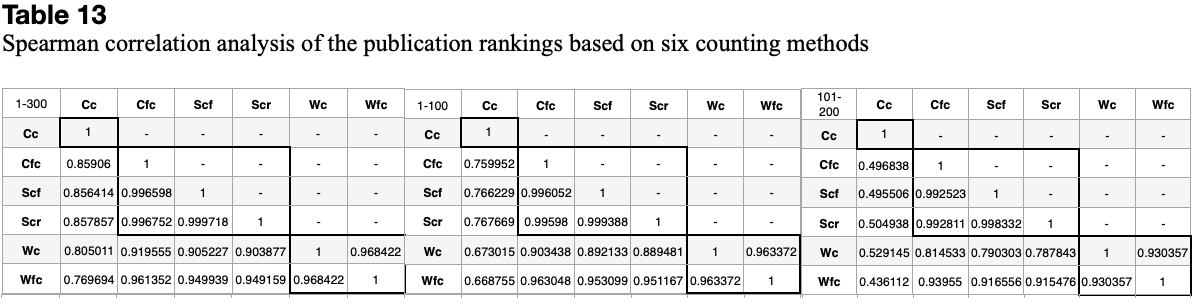
Big data, Natural language processing, Named entity identification, Counting methods - The ranking of academic bodies (e.g. country, institution and person) will unavoidably measure their research output and impact. Publication and citation are the most widely used indexes. Generally, publication number reflects the academic volume, while citation received shows the scientific impact to some extent. However, different counting methods have various ranking results. Since Marianne Gauffriau have given a normative and rigorous definition of counting methods 2, while many so called institution level rankings only discussed universities, it’s necessary to take this opportunity to carry out a complete and accurate research on this topic. However, as many institutions have more than one formal names in the database, disambiguation (named entity identification) is an essential step before any further operation. After the processing of original WoS data, I’ve raised a rule-based method which has combined different approaches 3 to disambiguate the institutions in the database (Specific Method). Then, a total of six counting methods are utilized for publication and citation from counting at institution level in WoS data between 2000 and 2016. So far, the main discovery is that the six defined methods can be further divided into three types which can provide guidance for future counting method choosing.
(group work led by me, first contributor, still unfinished)
- Institution Name Disambiguation (sample)
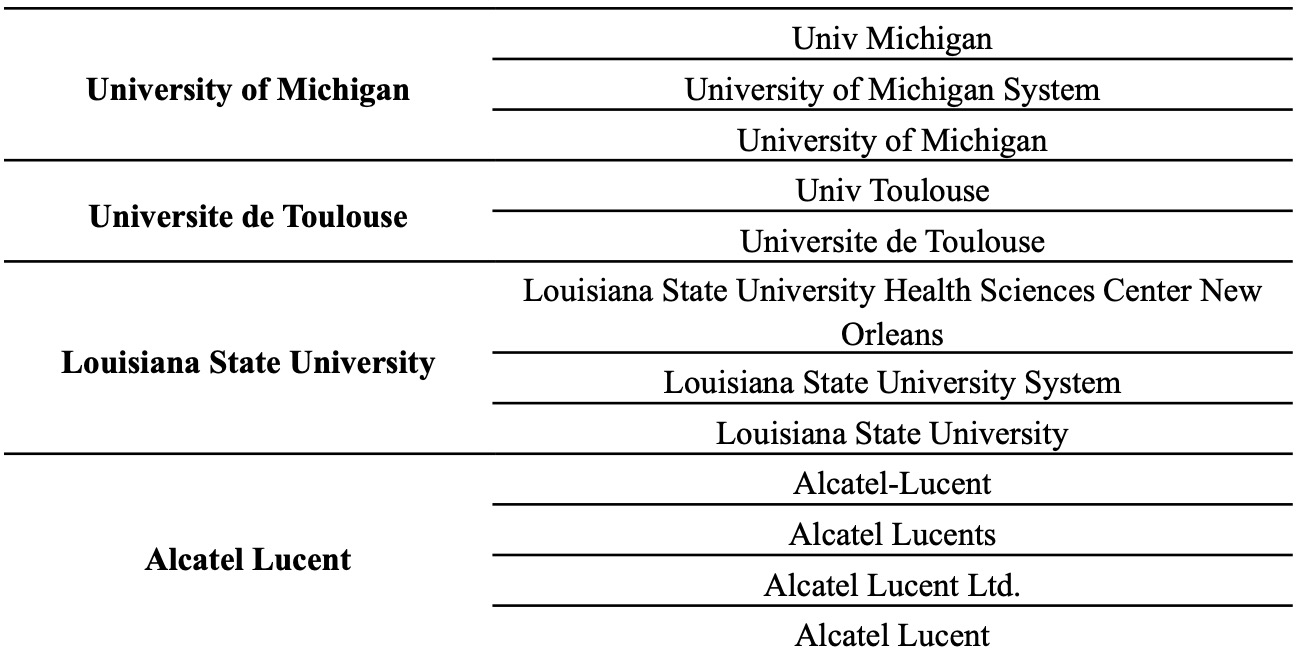
- Counting Methods
- Ranking in CS (sample)
- Methods Classification (sample)
- Institution Name Disambiguation (sample)
- Keywords:
Collaborative Interdisciplinary Research
Since I’ve finished my part of work in international citation modelling and counting methods comparison, I’ve joined other groups to extend my research areas.
- Modulation of Leaf Color Change Date and Period:
- Keywords:
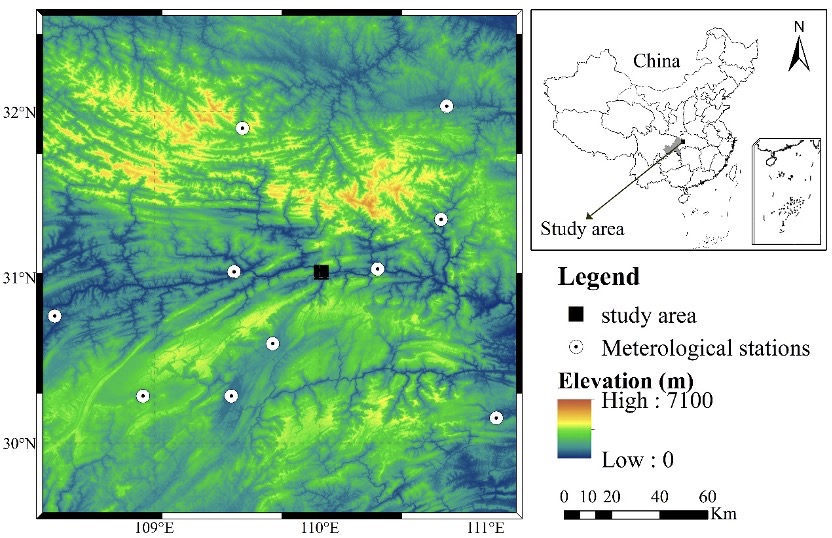
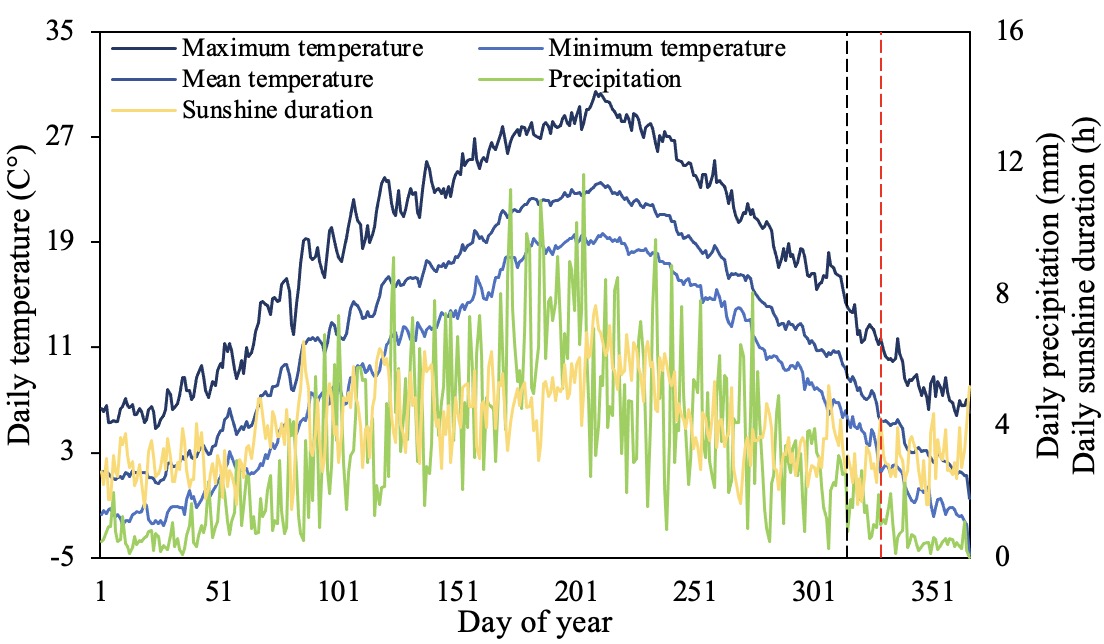
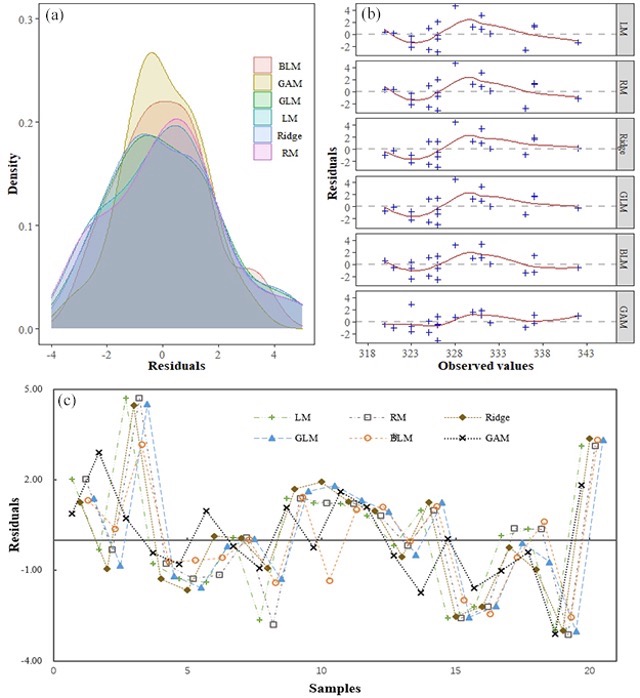
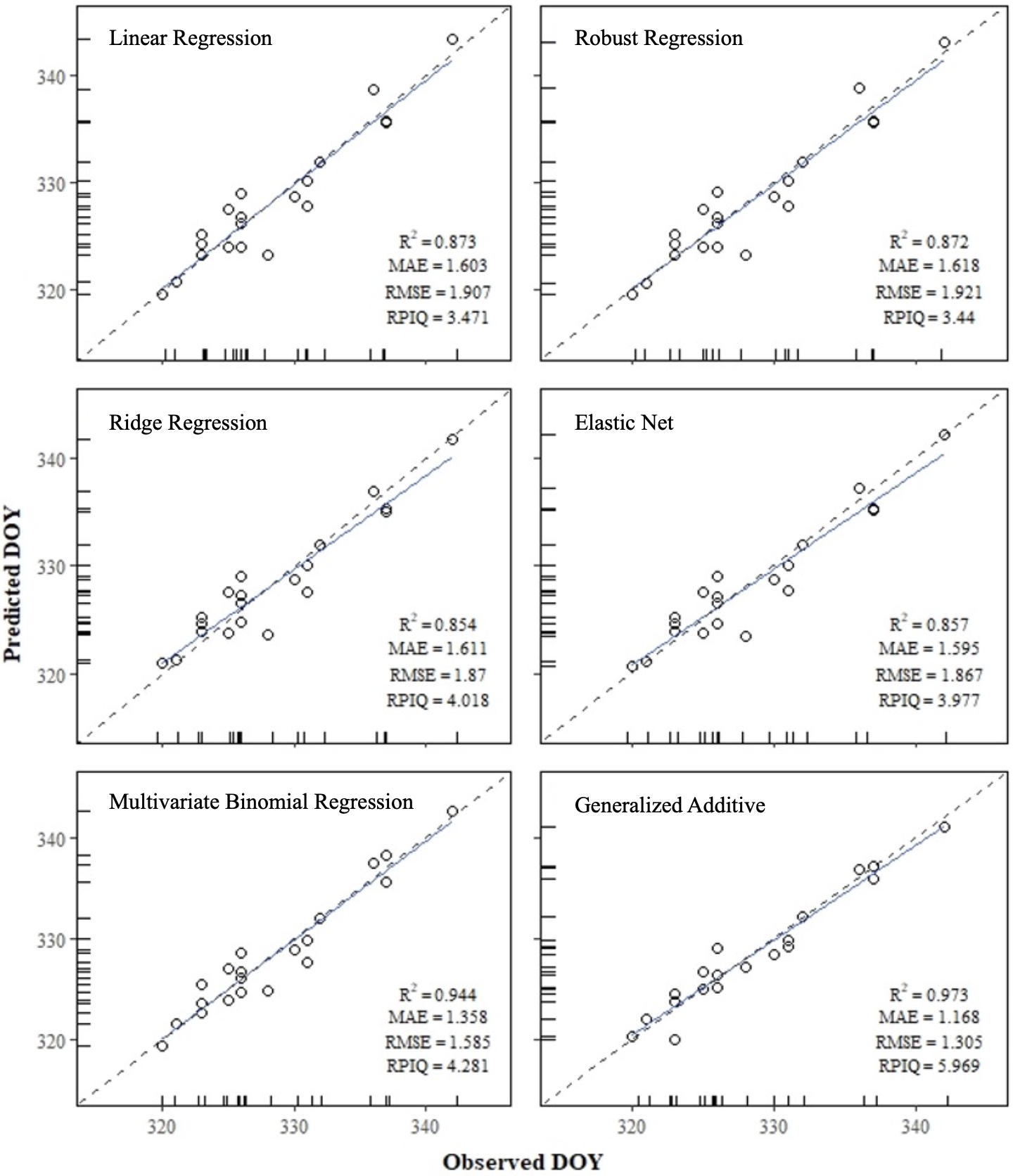
Big data, Prediction, Leaf coloration peak date, Climatic variables, Generalized additive regression - The ecotourism based on plants with leaves of changing color has become a new economic growth point for some regions, while it’s also a kind of sustainable development. In order to maximize the economic benefits, it’s necessary to predict both the best sightseeing date and lasting time window. In this study, we have used generalized additive model (GAM) for prediction based on the long-term data we collected. The importance of deciduous plants’ autumn phenological phase is reflected not only in the material cycle but also in the fall foliage ecotourism industry. However, the lack of observation data has made it difficult to model the phase of deciduous plants in the high-elevation karst region. Based on the data between 2001 and 2020, methods including multiple linear regression, multivariate binomial regression, robust regression, ridge regression, elastic net, and generalized additive were utilized to find out the correlation of the temperature and the precipitation with Cotinus coggygria’s leaf coloration peak date variation in the related regions of China. The mean absolute error, root mean squared error, coefficient of determination, and ratio of performance to interquartile distance were applied to evaluate the prediction accuracy. Generalized additive model’s better performance suggested its capacity as a useful tool in prediction. The results showed that the increase of prophase temperature and the decrease of prophase precipitation could delay the leaf coloration peak date, while the date could be earlier on the contrary. Besides, the number of days with the daily maximum temperature continuously being above 20°C before November 10th exerted the highest contribution in the prediction of the date. Moreover, we showed that a higher average diurnal temperature range in mid-May could defer the date as an objective contributor in prediction. This indirectly reveals the importance of spring phenological phase in predicting the autumn phenological phase. Finally, the model forecasted a trend of the leaf coloration peak date delay from 2021 to 2100 under different emissions scenarios, showing the effects of warming on the plant’s growth season and even the development of ecotourism.
(group work I participated as data processer and paper reviewer)
- Keywords:
- Weeding equipment platform:
- Keywords:
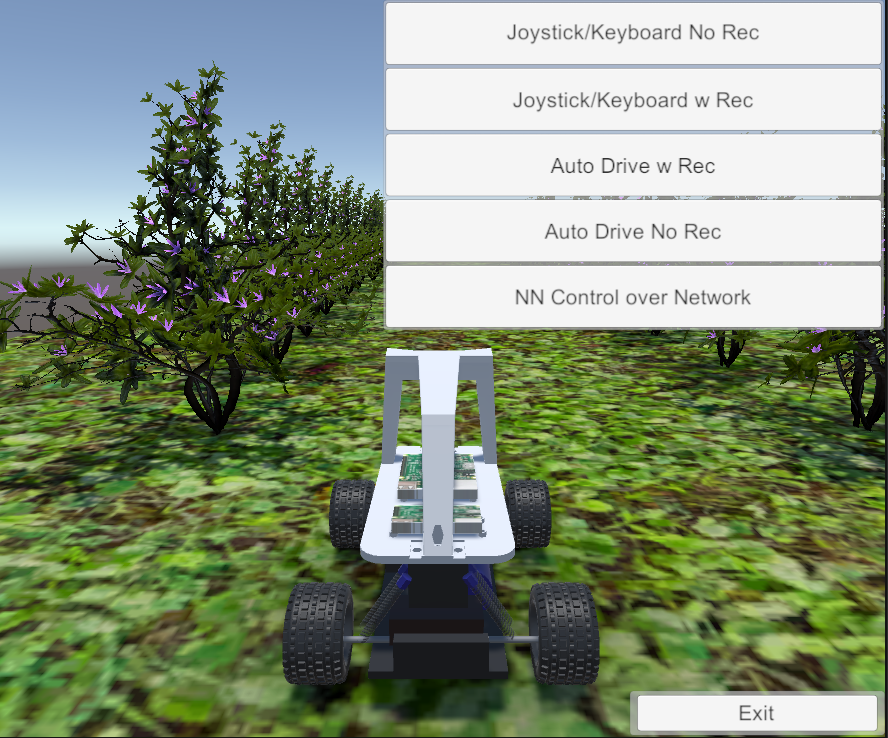
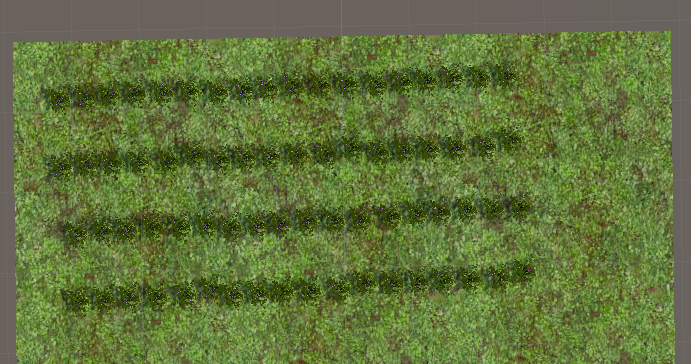
Visual navigation, Computer vision, Weeding, Soft shaft, Seedling avoidance, Tobacco field - Tobacco is an important cash crop, while the vigorous weeds in the tobacco field have been seriously affecting the growth and development of tobacco plants, resulting in the reduction of related product’s yield and quality. Therefore, the weeds in tobacco field should be removed in time after uncovering the film. However, manual weeding with high labor intensity and low efficiency in hilly and mountainous areas has been a common phenomenon in China. As a result, I’ve cooperated with students from College of Engineering and Technology to develop a self-driving weeding platform suitable for relevant areas. Due to the complexity and variability in the work environment, reinforcement learning was chosen as the approach for self-driving in the fields. We’ve already built the hardware of the platform and got a patent. Specifically, the equipment mainly consists of weeding mechanism with soft shaft and seedling avoidance mechanism. We are now working on the self-driving part with the help of Donkeycar 4 which is based on reinforcement learning. A virtual environment of a typical field has been built in unity to pre-train the model and adjust the parameters.
(weeding robot development research invited by my friend in College of Engineering and Technology)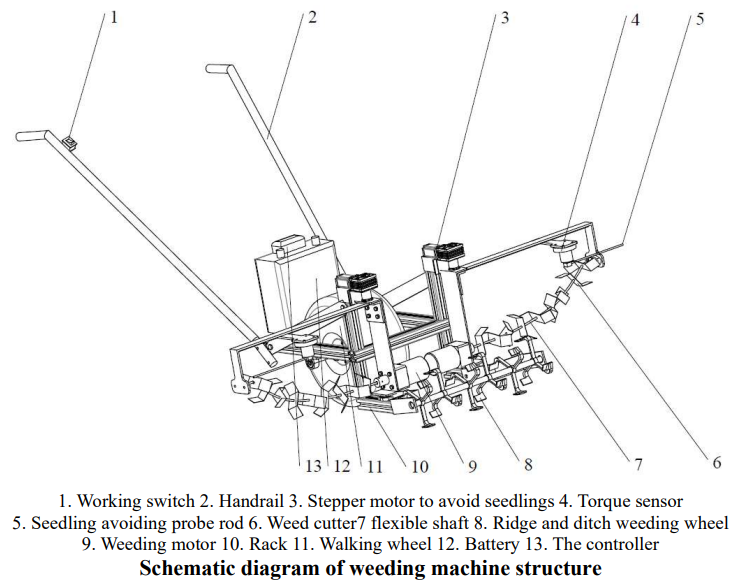
- Keywords:
-
V. Marceau, A. Allard, Adaptive Networks: Coevolution of Disease and Topology, Phys. Rev. E 82,036116 (2010). ↩
-
Marianne Gauffriau. Counting methods introduced into the bibliometric research literature 1970 – 2018: A review. Quantitative Science Studies (2021). Advance Publication. https://doi.org/10.1162/qss_a_00141. ↩
-
Huang S., Ronald R. & Yang B. Institution name disambiguation for research assessment. Scientometrics, 201403. ↩
-
https://docs.donkeycar.com/ ↩